
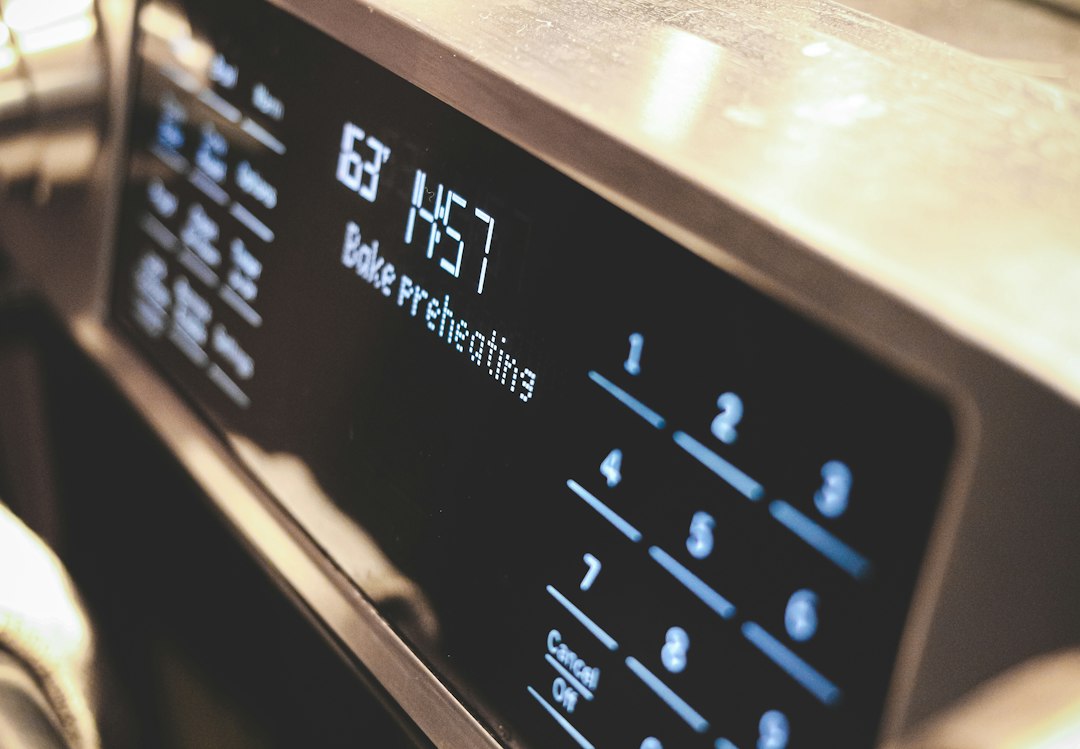
How to Choose Energy-Efficient Appliances for Your Home

Choosing energy-efficient appliances for your home is not just a trend; it’s a smart investment that can lead to significant savings and a reduced carbon footprint. In today’s world, where energy costs are rising and environmental concerns are at the forefront, selecting the right appliances is crucial. This article will guide you through the process of choosing energy-efficient appliances, focusing on their benefits, practical applications, and how they can positively impact your home and community.
Understanding Energy Efficiency
Energy efficiency refers to using less energy to perform the same task, which is essential for reducing energy consumption and lowering utility bills. Appliances that are energy-efficient are designed to use advanced technology to minimize energy waste. For instance, multi-functional food processors and induction cooktops are engineered to provide maximum output while consuming less energy, making them ideal for modern kitchens. By understanding the energy ratings and certifications, such as ENERGY STAR, consumers can make informed decisions that align with their sustainability goals.
In a recent case study in Springfield, homeowners who switched to energy-efficient appliances reported a 30% reduction in their monthly energy bills. This significant saving not only alleviated financial stress but also encouraged more residents to consider energy-efficient options, creating a ripple effect in the community. The collective shift towards energy-efficient appliances has the potential to lead to substantial energy savings on a larger scale.
Benefits of Energy-Efficient Appliances
The primary benefit of energy-efficient appliances is the reduction in energy costs, which can lead to considerable savings over time. For example, electric pressure cookers and air fryers use less energy compared to traditional cooking methods, allowing families to prepare meals without worrying about high energy consumption. Additionally, these appliances often come with advanced features that enhance usability and convenience, making cooking more enjoyable and efficient.
Moreover, energy-efficient appliances contribute to a healthier environment by reducing greenhouse gas emissions. By choosing smart coffee makers and dishwashers with smart features, consumers can significantly lower their carbon footprint. In cities like Springfield, the adoption of these appliances has led to a measurable decrease in energy demand, showcasing the positive impact of collective consumer choices on the environment.
Choosing the Right Appliances
When selecting energy-efficient appliances, it’s essential to consider your specific needs and lifestyle. For instance, if you enjoy cooking frequently, investing in high-performance blenders and multi-functional food processors can save you time and energy. Look for appliances that offer versatility and efficiency, allowing you to prepare a variety of meals with minimal energy use.
Additionally, consider the size and capacity of the appliances. Larger families may benefit from dishwashers with smart features that optimize water and energy use, while smaller households might find that compact models suffice. By assessing your household’s needs, you can choose appliances that not only save energy but also enhance your cooking experience.
Community Impact and Social Proof
The impact of choosing energy-efficient appliances extends beyond individual households. In Springfield, a community initiative encouraged residents to upgrade to energy-efficient models, resulting in a 25% decrease in overall energy consumption within the neighborhood. This initiative not only fostered a sense of community but also highlighted the importance of collective action in addressing energy challenges.
Furthermore, local businesses that sell energy-efficient appliances reported a boost in sales as more consumers became aware of the benefits. This shift not only supports the local economy but also promotes sustainable practices within the community. By sharing success stories and encouraging others to make the switch, residents can inspire a broader movement towards energy efficiency.
Conclusion
Choosing energy-efficient appliances is a proactive step towards a sustainable future. By understanding the benefits, making informed choices, and considering the community impact, homeowners can contribute to a healthier environment while enjoying significant savings. As more individuals in Springfield and beyond embrace energy-efficient options, the collective benefits will resonate throughout the community, paving the way for a more sustainable lifestyle.
In conclusion, investing in energy-efficient appliances is not just about saving money; it’s about making a positive impact on the environment and supporting local economies. By prioritizing energy efficiency in your home, you can enjoy the benefits of modern technology while contributing to a brighter, more sustainable future for all.